My mom said that my older brother and I had two completely different reactions to our new careers as preschoolers.
When she dropped my brother off and tentatively turned to walk away, he cried furiously until she returned.
When she accompanied me, she recalled that I waved joyfully, walked boldly toward my teachers, and never looked back. She was the one who wanted to cry.
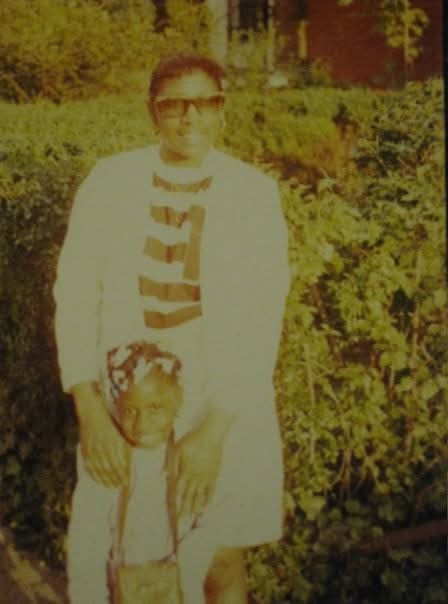
Similarly, when I went to summer camp for the first time, the bugs terrified me more than the prospect of spending two months away from my family and everything that I knew to be familiar. I was far too intrigued by all the new things I would learn and the strangers who would eventually become my friends.
The Better Society Academy in Florence, Italy felt much like that first camp experience: curiosity, wonder, and enchantment with what could be possible.
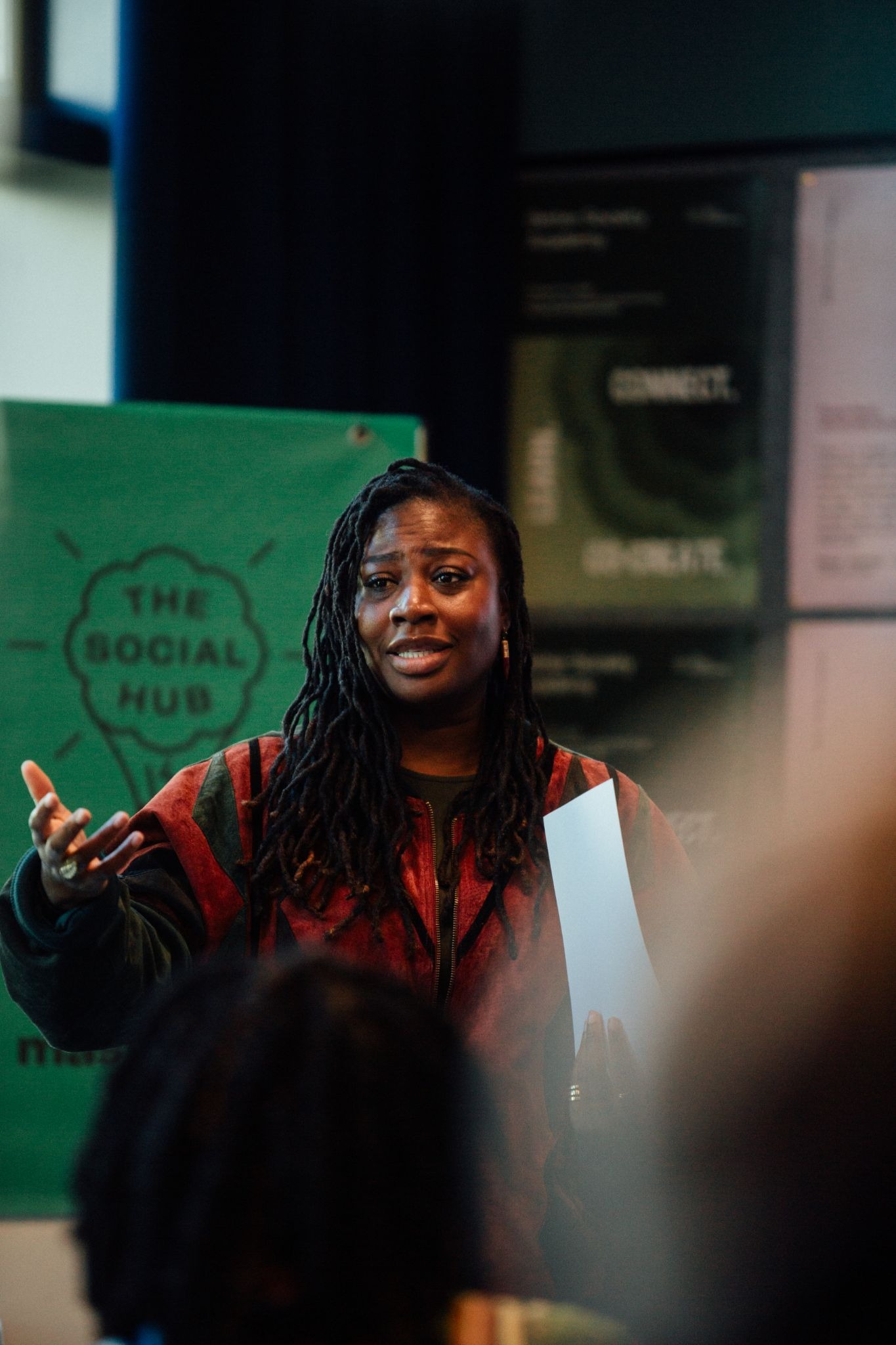
The Academy, an initiative of The Social Hub, brings together a curated community to explore real-world challenges through expert-led learning, peer exchange, and hands-on collaboration. Changemakers work on concrete cases, transforming ideas into actionable solutions.
When the call for applications surfaced on my LinkedIn homepage, I immediately registered for the information session. The program manager, Simon Williams, led the call with an enthusiasm electric enough to set the entire Zoom room ablaze. The level of investment he expected from participants was matched by his own knowledge and energy. Before the session had even ended, I had decided to pursue the competitive written application process. I was particularly excited by the chance to sharpen my creative problem-solving skills alongside a diverse cohort of social impact leaders.
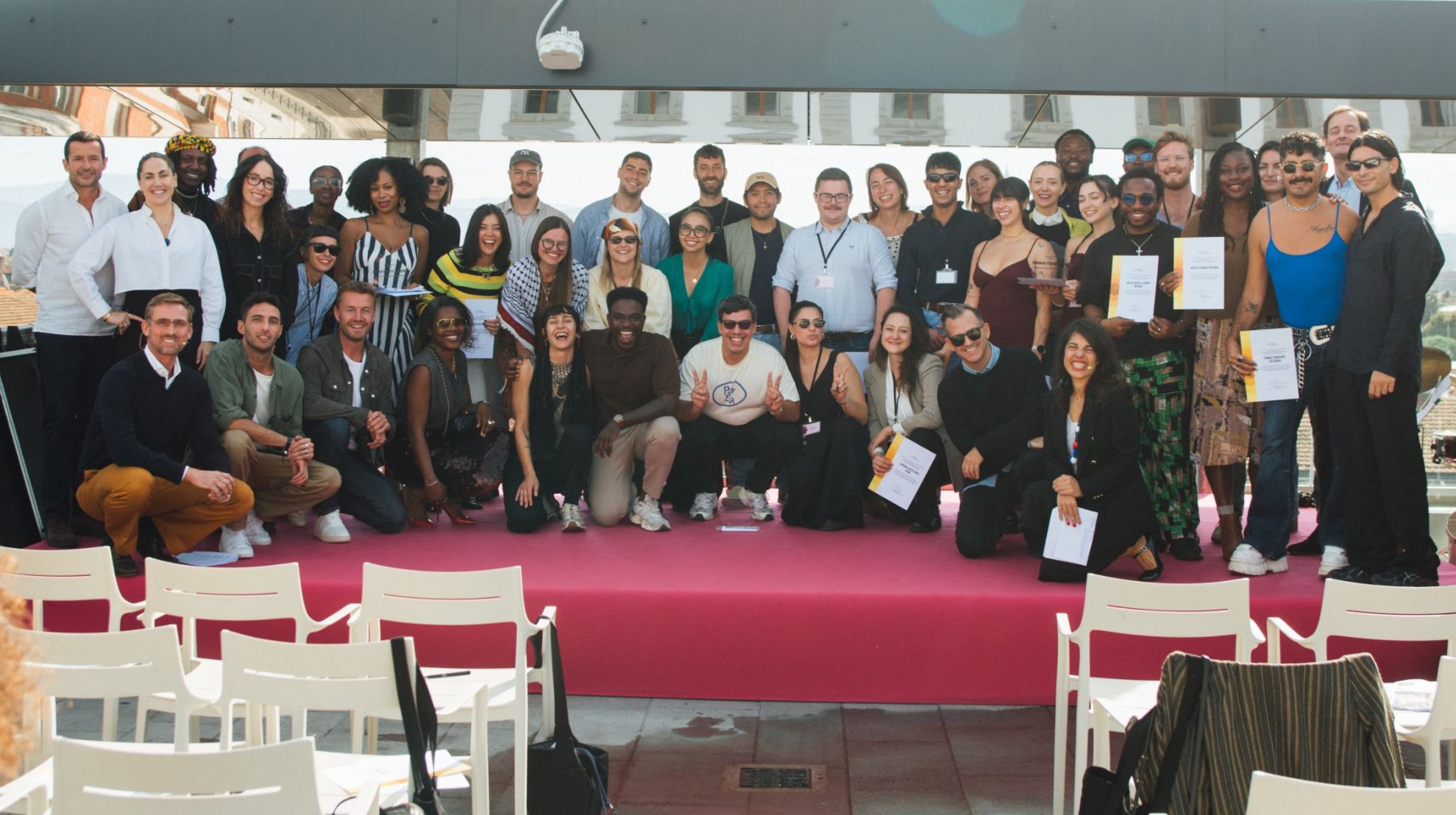
I feel fortunate to share that on October 11, 2026, I was one of 31 changemakers from across Europe who gradually poured into the lobby of The Social Hub (Belfiore). Although we represented 16 nationalities, 14 cities, and 31 distinct social impact initiatives, we were united by one common goal: a commitment to advancing social change through the vehicles of arts and culture.
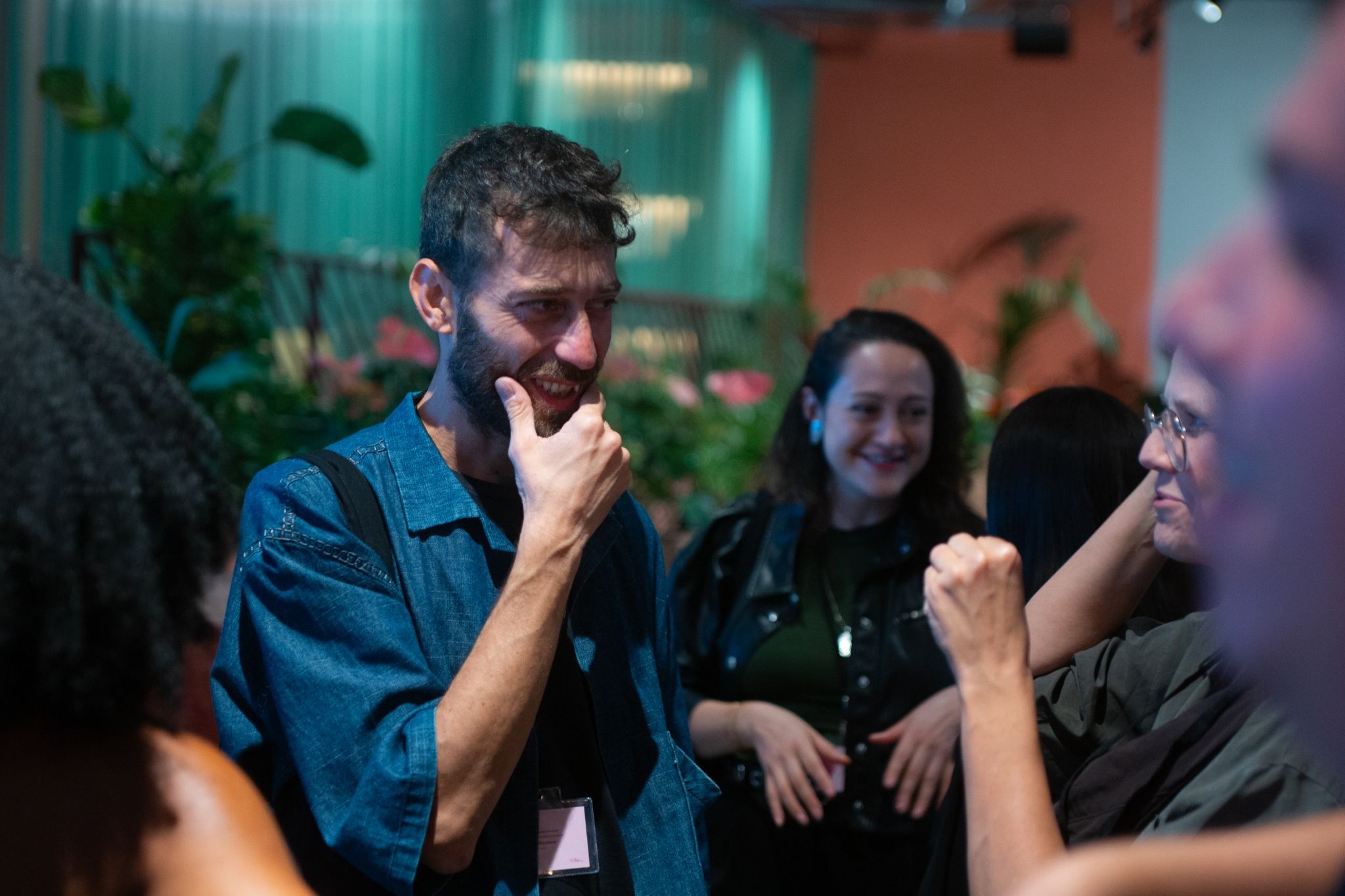
This article offers an abbreviated visual journey of our four-day masterclass, complete with lectures, co-creation exercises, case studies, field trips, mentoring sessions, delightful Italian cuisine, meaningful connections, and plenty of laughter.
As I initially reflected on the experience, one thought immediately came to mind: How you start matters.
Within hours of arriving at the hotel, we gathered on the rooftop to officially kick off the fifth edition of the Better Society Academy: Arts & Culture Advancing Social Change.
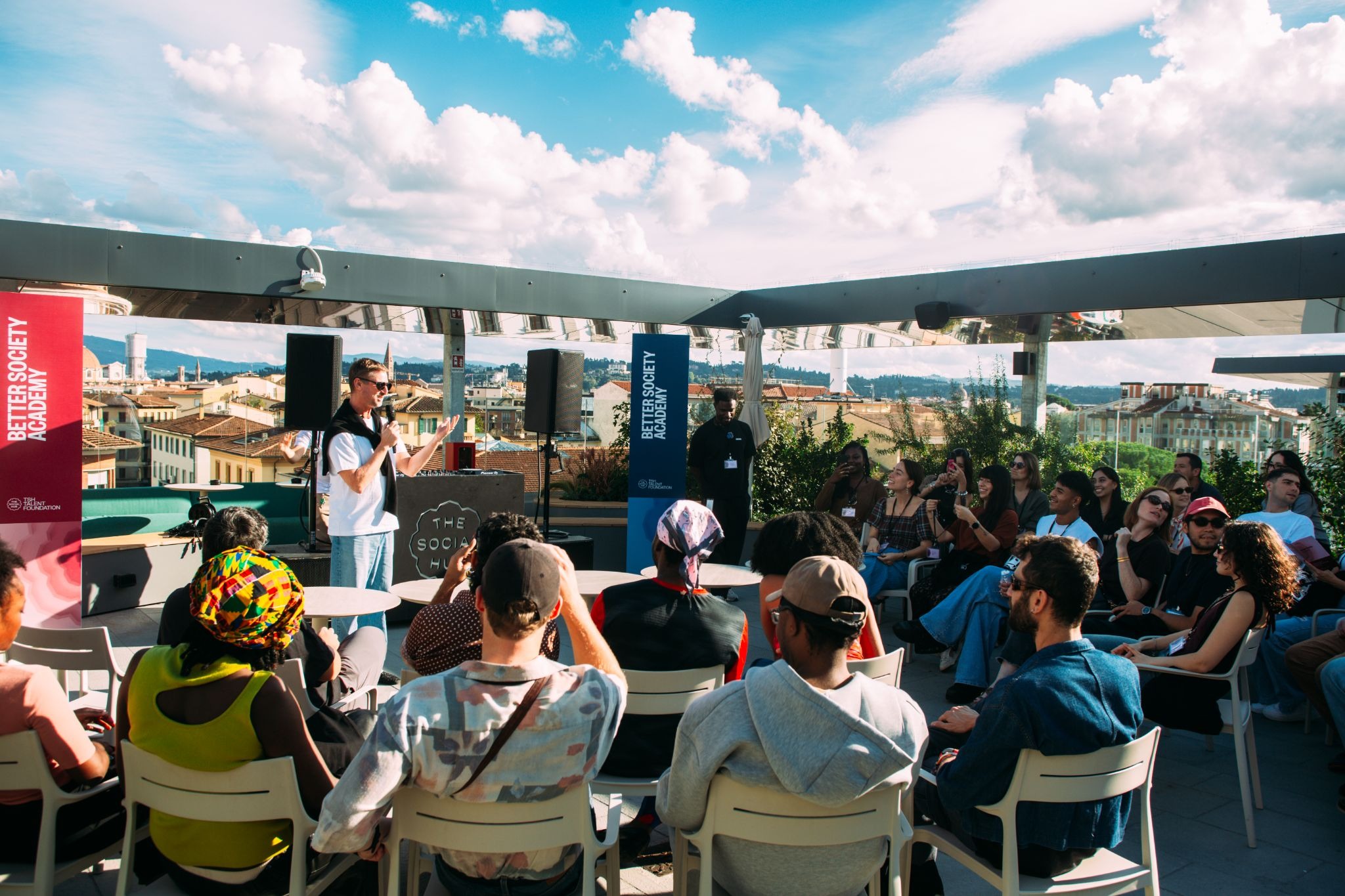
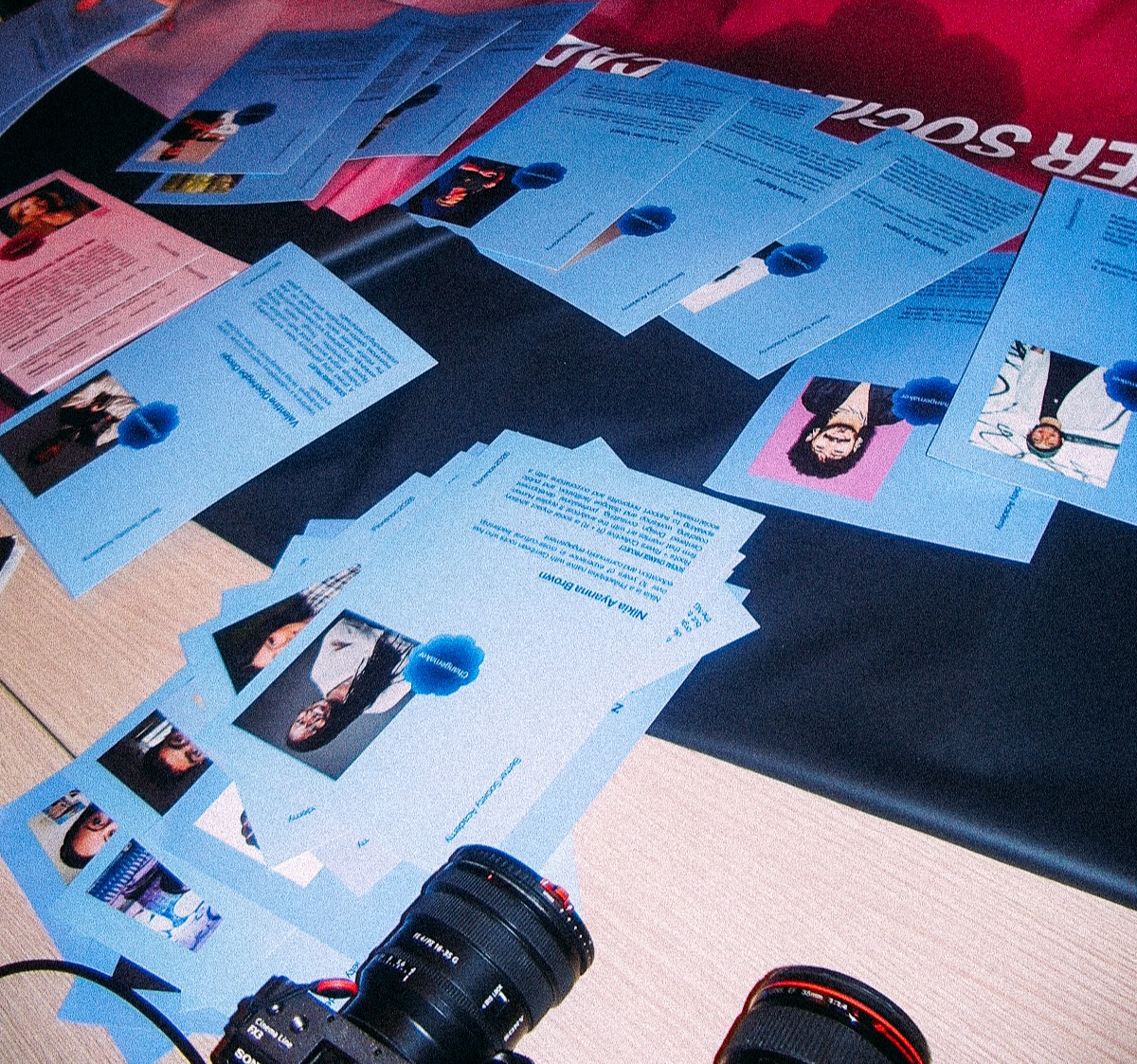
Our learning facilitators, Manuel Perez Romero and Maria Lozano from the IE School of Architecture and Design, introduced us to our first “Connect” exercise: The Human Museum.
One by one, we were invited to share an item we had with us that held personal significance. Rings, necklaces, pictures, and cameras gradually filled the tables before us.
Next, the items were distributed across groups, and we worked together to create individual descriptions of each piece, as well as an overarching curatorial statement for our collection.

Pictured here is my group’s submission, Trinkets as Tokens.
“Full of histories, emotions, personalities, ancestors’ heritage, and the page that captures it all. Whether it is a necklace, ring, watch or other small objects that we carry every day, they are small reminders of who we are and who shaped us. It's not about the quality; it's about the story it holds.”
The intent behind the activity was clear. Before we could begin imagining how to architect a better world, it was equally important to understand the people who would walk alongside us on this journey of personal and social transformation.
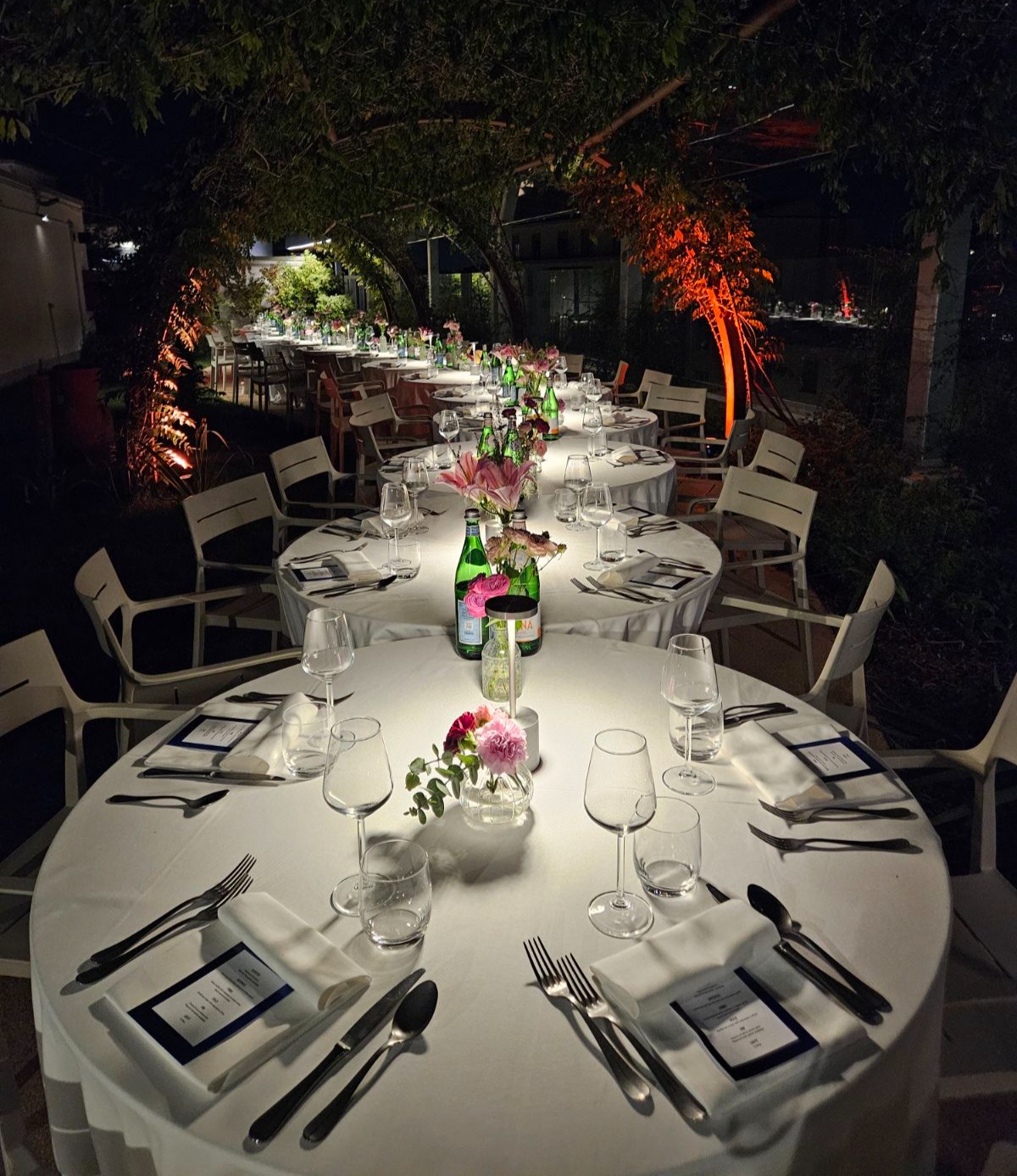
We concluded our first day with drinks, dancing, dinner, and discussions that traveled late into the night.

The next day, we were introduced to a case study on the Pruitt-Igoe housing project, a large-scale public housing development in St. Louis, Missouri. Built under the Housing Act of 1949 as part of a slum-clearance and low-income housing initiative, it consisted of a series of high-rise apartment buildings. However, the development was systematically demolished by the federal government in the 1970s following a combination of challenges, including funding reductions, poor construction quality, rising crime, and “white flight” to the suburbs.
Our learning facilitators, Manuel and Maria, challenged us to envision an arts and culture initiative that could have revitalized the development and improved residents' experiences. After examining the housing project more closely and considering the factors that contributed to its decline, each group proposed ideas that shared common themes of community participation, co-creation, and the repurposing of space.
Using the template provided, my group proposed the following project:
“We would like to develop a residency program that unites artists from diverse backgrounds with Pruitt-Igoe community members to co-create micro communities based on shared interests and values. This initiative is in response to reports of isolation, urban fragmentation, and lack of identity and agency among residents. Through this residency program, we intend to generate a stronger sense of belonging, social cohesion, cross-group interactions, and co-responsibility. Our non-negotiable values are bottom-up collaboration, regeneration through ownership and capacity building, and connection across differences and space.”
Given the intricate nature of community building, the facilitators encouraged us to delve deeper into our proposed initiative by considering how funding, stakeholder interests, and power dynamics could influence intended outcomes.
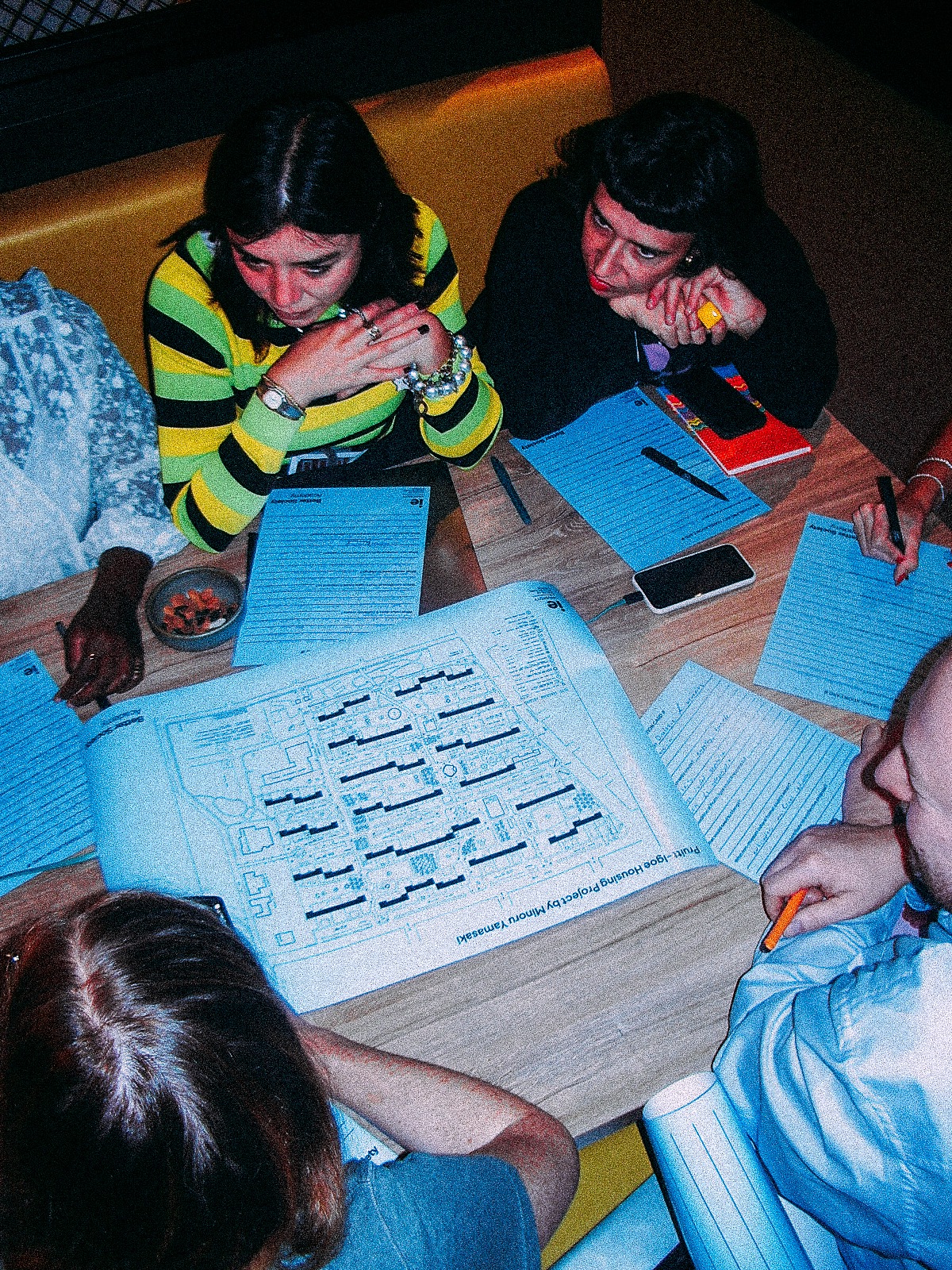
I appreciated how the activities and facilitators stretched our thinking through project-based learning, creative collaboration, and thoughtful questioning. In response to our proposal to use Human-Centered Design, Manuel asked: “What about the non-human elements? What role do they play in the design?”
This immediately prompted us to consider principles of regeneration and the interconnected relationship between people, buildings, and the natural environment. We were reminded of an important truth: social problems rarely have isolated solutions because they rarely have isolated causes.
In my work with Roots + Rivers Collective, we often draw on Systems Thinking alongside Human-Centered Design for this very reason. Every problem is embedded within a particular system and understanding how the different parts of that system interact and influence one another is critical to finding viable and sustainable solutions.
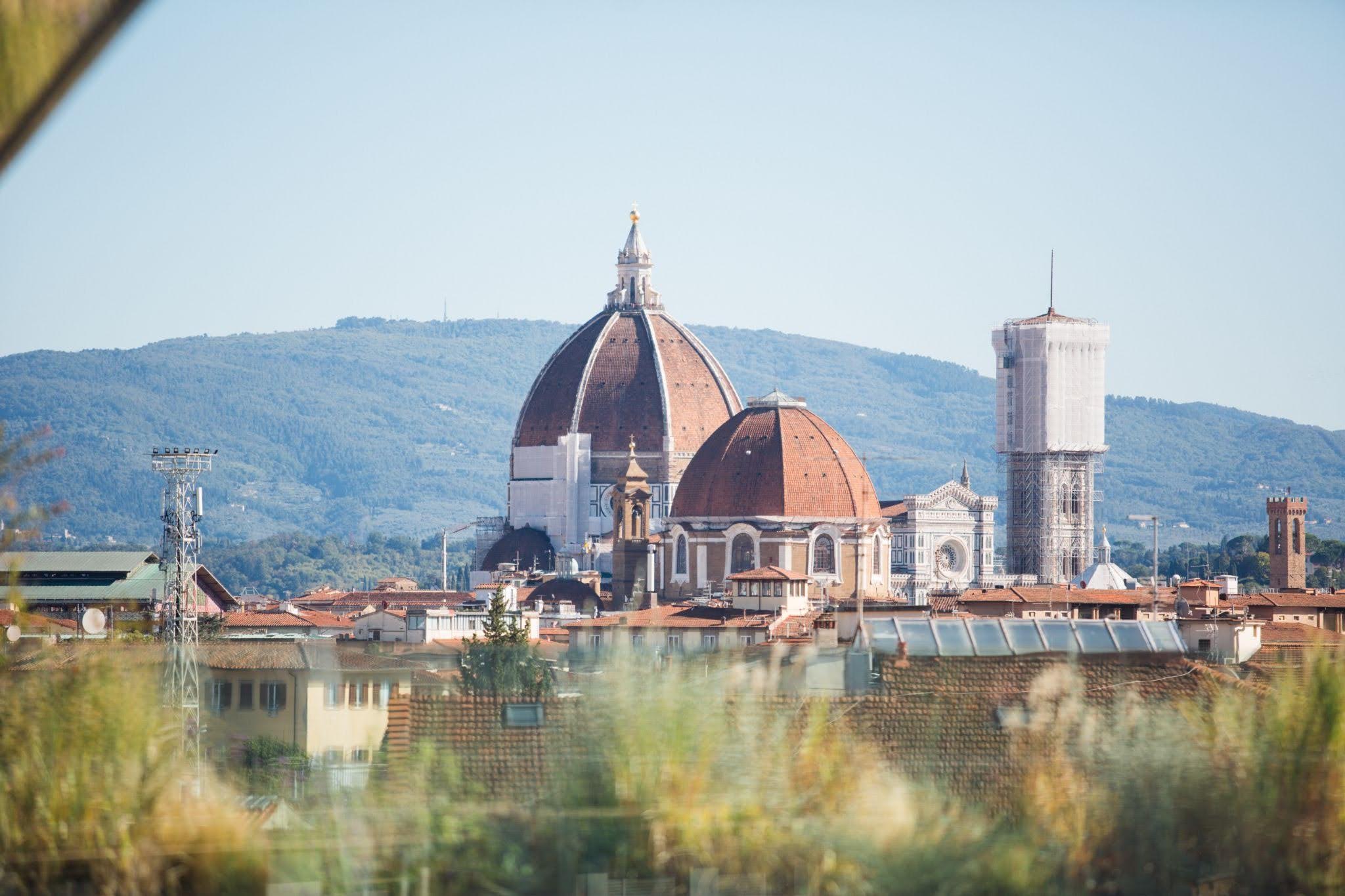
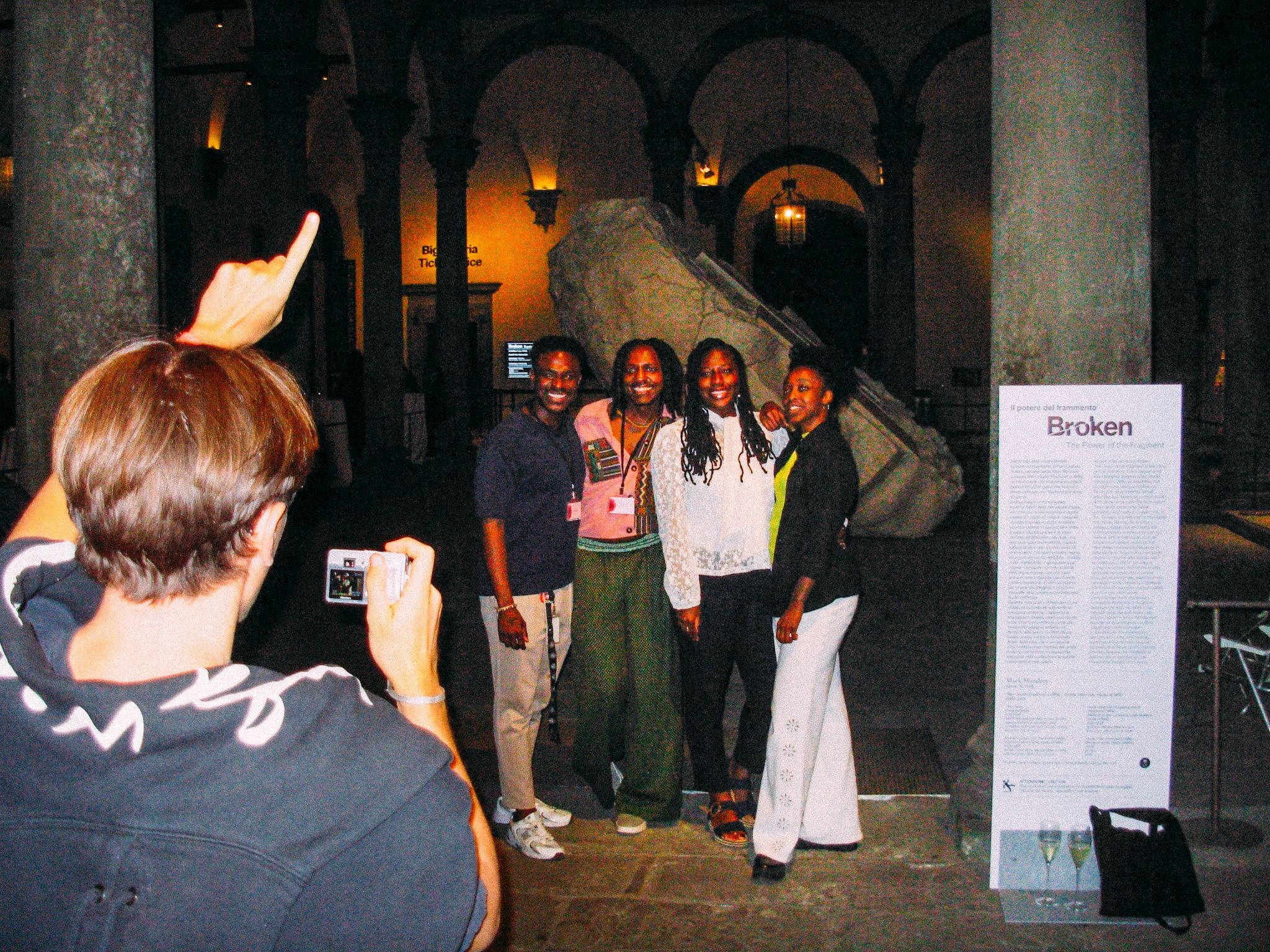
Another highlight of this experience was the opportunity to engage with the city of Florence as our learning laboratory. In the afternoons, we visited renowned exhibitions, including Broken. The Power of the Fragment at Palazzo Strozzi. This exhibition examines the reasons and circumstances that have led to the destruction or damage of sculptures, from ancient and modern iconoclasm to wartime devastation.
As I reflected on the artwork, I found myself pondering Adam Kahane’s concept of “cracks within the system.” Kahane, a facilitator of transformative change, observes that we can become so frustrated or overwhelmed by the failures of broken systems that we become immobilized, unable to effect change. He offers an alternative perspective: to see cracks as openings for new possibilities. He calls on us to work within these cracks by practicing daily habits such as “looking for what’s unseen” and “collaborating with unlike others.”

After touring the exhibition, we participated in a collaborative experiment to develop a concept that would help future visitors connect with the artwork through related themes.

My group discussed specific galleries and artworks that resonated with us, and why. We then posed the question: “What else is missing, and what might be added?” Reminded once again of Kahane’s work, I suggested that future visitors could explore how other cultures approach the concept of brokenness to deepen the conversation around fragmentation.
For example, introducing Kintsugi, the ancient Japanese art of repairing broken pottery with gold lacquer, could encourage a dialogue about the beauty and possibilities of imperfection. We titled our experiment Missing? and penned the following curatorial statement:
“As you walk through each room, the fragmentation of people and objects are undeniably evident. But we invite you to pause and consider the nuance beneath the broken. We welcome you to question what else is missing. Whether it is the 17th century or the 21st, whether you call Florence or Nairobi your home, ‘Wholeness is an arbitrary and fleeting state. Fragmentariness is most enduring.’”
Equally enriching was having open access to the brilliance and experience of mentors from diverse sectors. Over the course of an afternoon, through 20-minute sessions, we sat across from business and social impact leaders who attentively listened to our curious questions. They generously shared insights and recommendations that offered not only motivation but also actionable business strategies that we could take home and immediately implement.
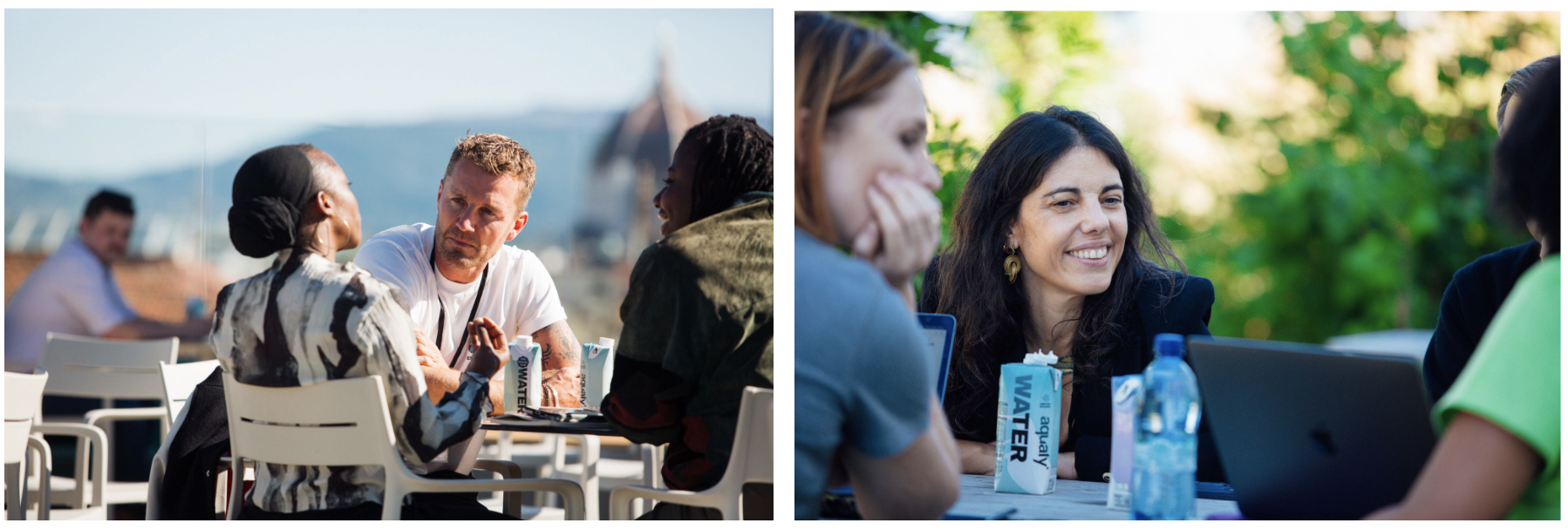
What surprised me most during these conversations was how refreshingly normal and human each mentor was. Yes, they were successful professionals and undoubtedly experts in their field, but their insights suggested that they arrived at their current positions by committing to a set of daily disciplines:
Showing up despite their circumstances;
Seeking guidance when needed;
Not taking “no” for an answer;
Remaining resolute in their “why”; and
Seeing failure as a comma instead of a period.
While there is no magic formula for success, I recognize that the resilience required to achieve one’s goals is deeply human and, with consistent effort, entirely attainable. Every day, we must continue making the decisions that inch us closer and closer to our goals. The mental fortitude cultivated through these choices prepares the ground for our work to flourish.
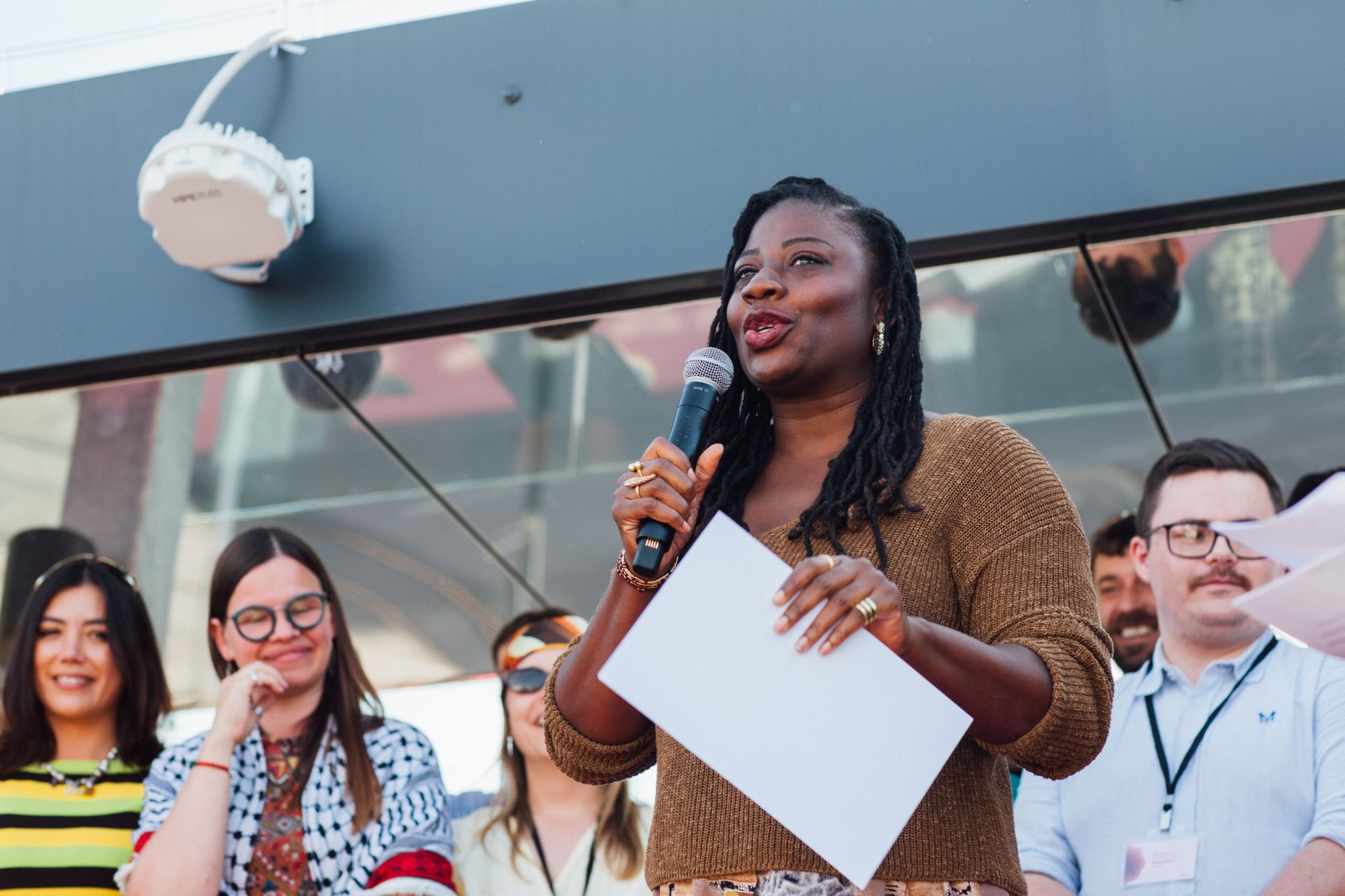
There is so much more I could write, but I trust that these pictures will tell the other half of the story. The Better Society Academy—which I endearingly call “camp for change agents”—was an incredible experience that reaffirmed the value of investing in people working toward social good. I am inspired by the compassion and dedication of my peers, who actively contribute to advancing social change through art, media, film, dance, design, and social innovation. I remain deeply grateful to The Social Hub and TSH Talent Foundation for recognizing and validating the efforts of Roots + Rivers Collective. My hope for the future has been renewed, and I feel equipped to continue building forward, strengthened by the support and solidarity of a new community of global changemakers.