My earliest experience with Human-Centered Design (HCD) came through the Global Leaders Program at the University of Illinois Urbana-Champaign. The program brought together students from different backgrounds to work on real social challenges through cross-cultural communication, community engagement, and collaborative problem-solving. It taught me the iterative and collaborative process to design with people instead of for people.
At the same time, my academic and professional background is highly technical. I studied mathematics and computer science, and I was always thinking in terms of architecture, optimization, and scale. In these environments, the measure of good work is fairly straightforward: whatever you build has to work efficiently to solve the problem at hand. Even at my current full-time employment as a Trading Operations Engineer, I implement automated trading systems that need to have 99.99% uptime, handle millions of transactions every day, and run as fast as possible. There is no human interacting with them.
R + R has helped me connect these two parts of my background. My work here sits at the intersection of technical systems and human-centered practice, and I have to consciously ask what our systems make possible. Who is this system working for? What does it make easier, and what does it make harder? What assumptions are built into it? What kind of experience does it create?
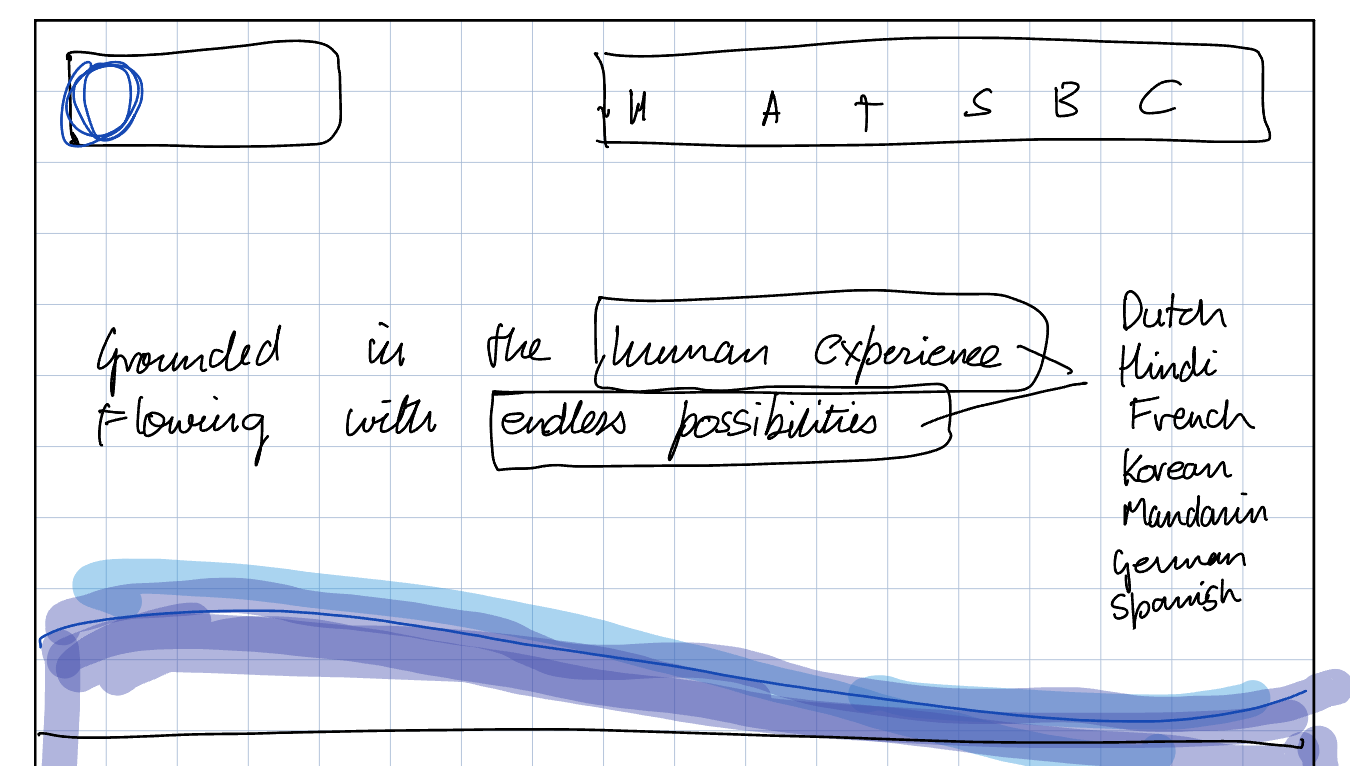
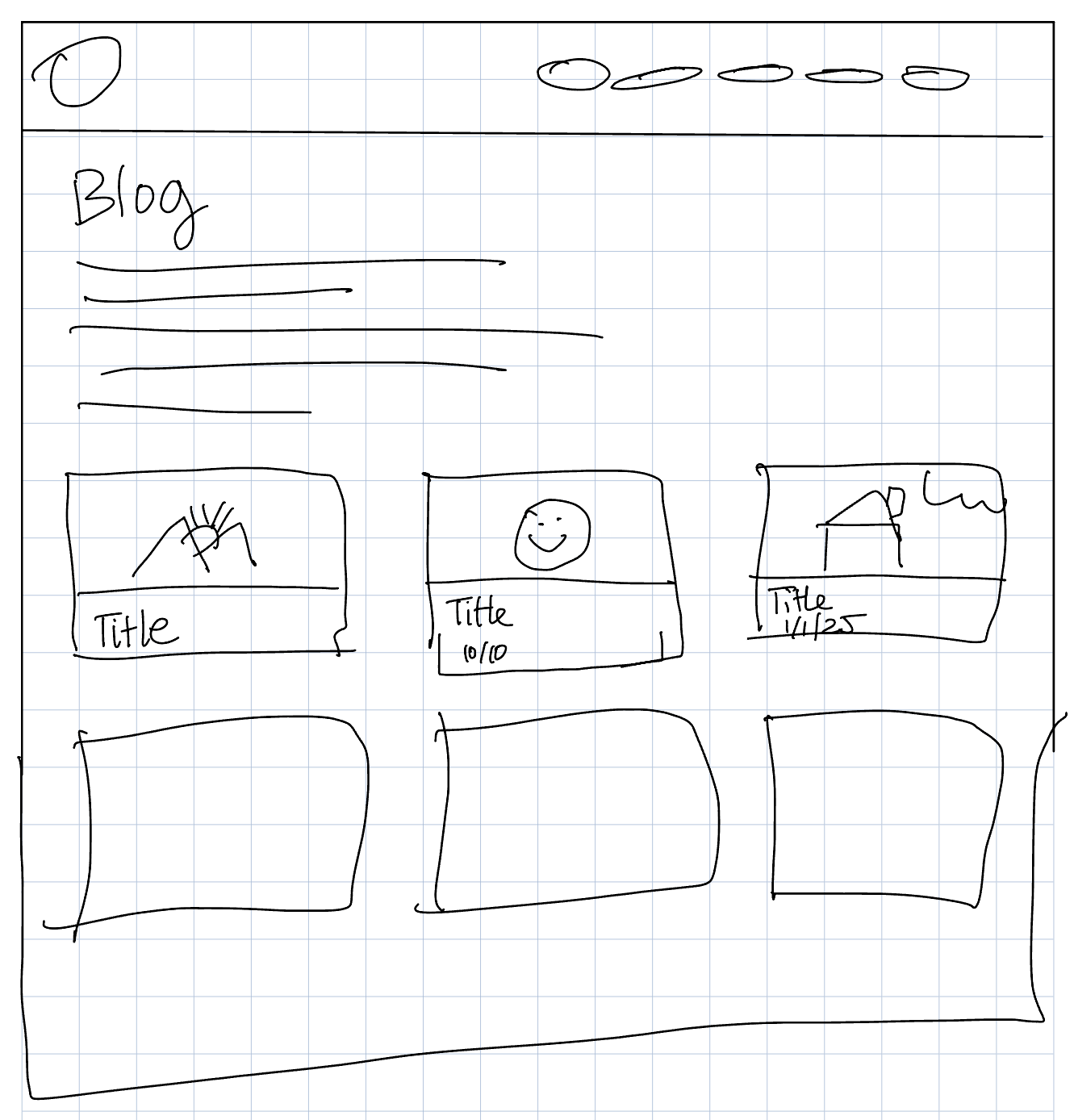
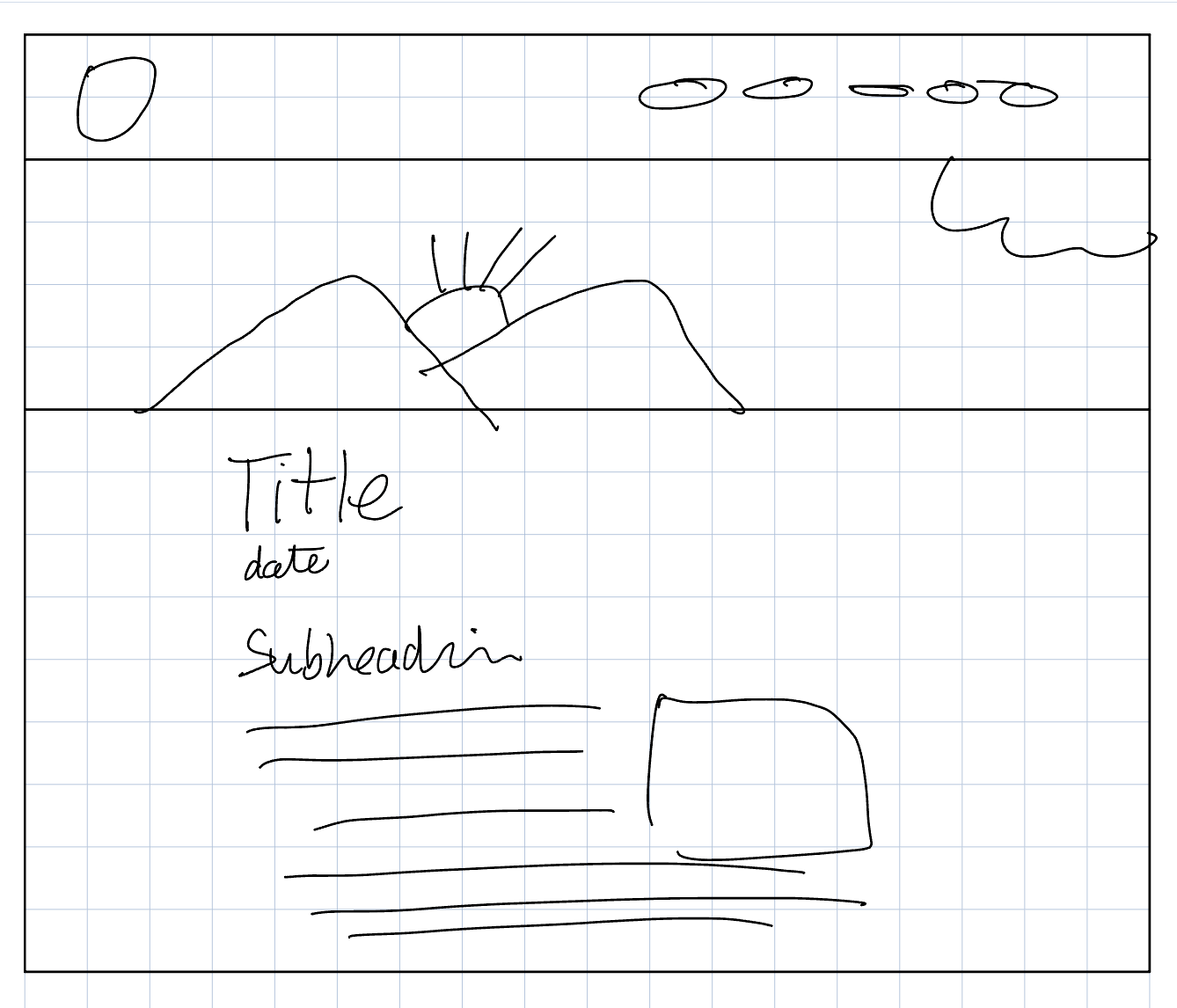
When we started, R + R was just vibes. An abstract concept and a blank piece of paper. A great deal of the early work was physically (virtually) manifesting R + R’s presence in the world. Our first attempts at a brand identity were a basic logo and word clouds. The only official wireframes of our website are rough layouts hand-drawn on my iPad (see images). After building just the landing page out in Figma, we moved directly into Webflow and started testing in prod. The tools we chose reflected the stage of the organization. Google Workspace was familiar, affordable, and worked well across devices. Namecheap and Webflow gave us a low-code stack that allowed for rapid development and deployment. It is up to me to decide how this stack lives and operates, all the way down to enabling 2FA on Google Workspace and bothering Nikia and Mikaela into setting theirs up. The freedom I have in all of these decisions is one of the most valuable parts of the experience, and the foundational creative responsibility is very rewarding.
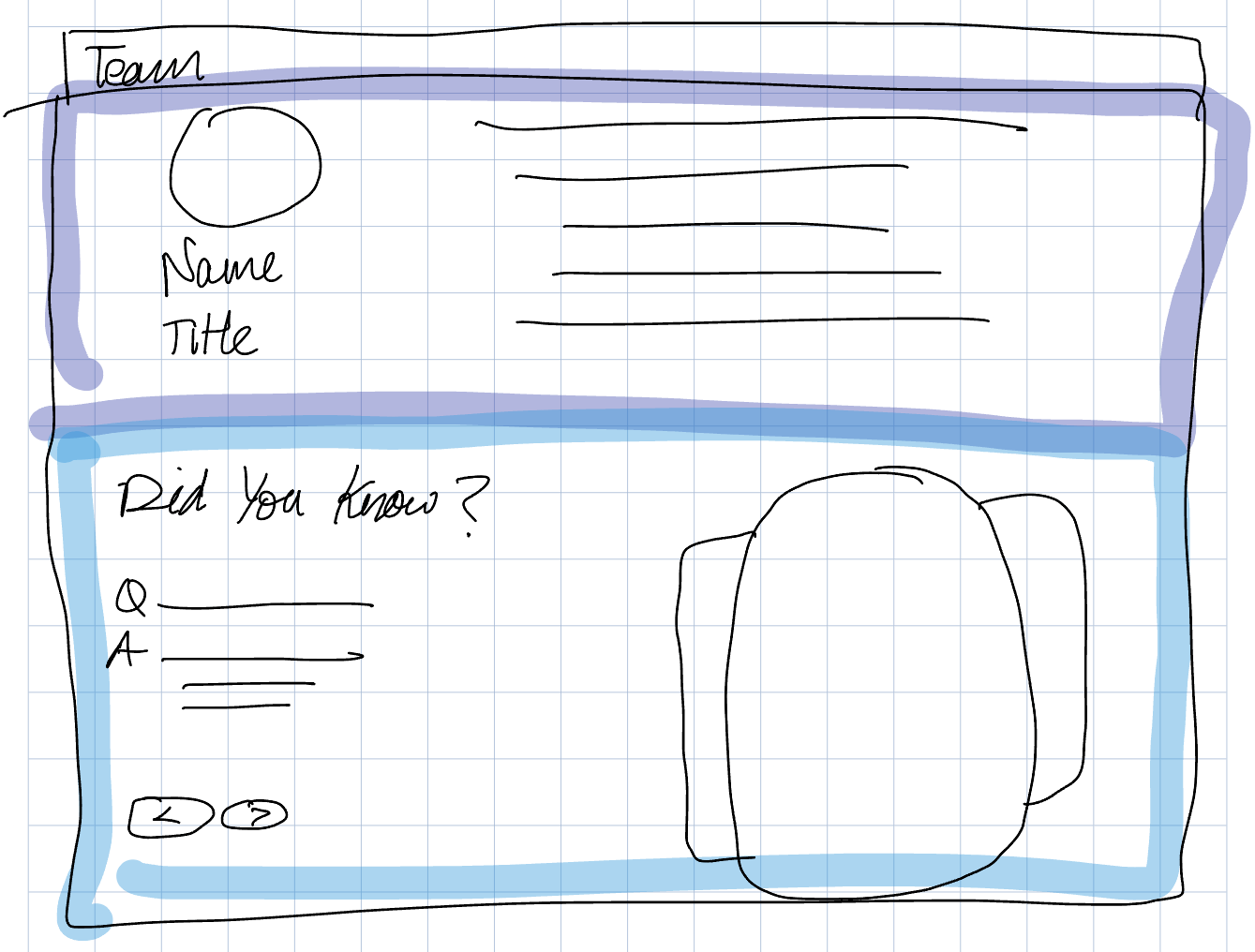
Eventually, we decided to bring some structure to the madness (like getting a staging environment) on the website. A major part of my work at R + R has been prototyping and designing the firm’s website in a HCD-focused manner. On a technical level, this is mostly about setting up the frontend in alignment with the brand identity, designing the content management backend architecture, configuring the hosting and deployment, and enabling analytics and SEO. But the website is also the first way that our clients, collaborators, and community members understand who we are and what we offer. In this sense, the website needs to have clarity, credibility, and character.
We discussed at length about the order of the testimonials on the website. We also talked about how many line breaks should be on our landing page blurb. And whether to justify a given image on the blog on a case-by-case basis. This way of working is not always natural for me. My instinct is often to move quickly from problem to solution, and at times, I was frustrated by how much time we spent discussing feelings and experiences, making small tweaks on the website that I was certain no one would notice. However, over time, I understood that this is what the work is all about. HCD asks us to notice what we might otherwise miss, making sure that the work we do is aligned with the people it is meant to serve.
The clearest example of this came through the user experience surveys we conducted for the website. We asked users to interact with the site, complete basic tasks, and share their feedback. This led to significant changes in the website experience, such as the condensation of text and an enhanced focus on the mobile experience. User feedback reminded me that a system can be technically functional and still fail to meet people where they are.
Not all of my work at R + R is public-facing. A significant amount is internal: Google Workspace, internal organization, and knowledge management. Internal systems shape how a team collaborates, and it is necessary for us to be able to find what we need and spend less time fighting tools. Good internal infrastructure also ensures compliance with regulations, and the security and integrity of data. The most enjoyable part of this was choosing our role-based business email addresses (should it be “connect@rnrcollective.com” or “contact@rnrcollective” or “info@rnrcollective”?) To me, this highlighted the need for our infrastructure to support its people, both internally and externally.
R + R has pushed me beyond my original definition of engineering. I still believe in building systems that are reliable, scalable, and efficient. But I am learning that the best systems are designed with context, shaped by feedback, and built around the real ways people search, read, and trust. The structure of our website affects whether people understand our values, the language on our page affects whether they feel invited, and the choice to test with users affects whether we build from assumption or from evidence.
Working at R + R has also made me think differently about the future of digital infrastructure. Like many organizations, R + R has opportunities to explore AI tools, automation, and new systems that could support its work. I am now focusing on what technology should do here, rather than what it can do. For example, R + R has a wealth of HCD tools in its toolkit. As designers, we use frameworks like empathy maps, case studies, and interviews to guide our process. A possible future direction of technology is the use of AI for internal search, synthesis of research, and knowledge management. This will create more room for us to listen, facilitate, and imagine new possibilities.